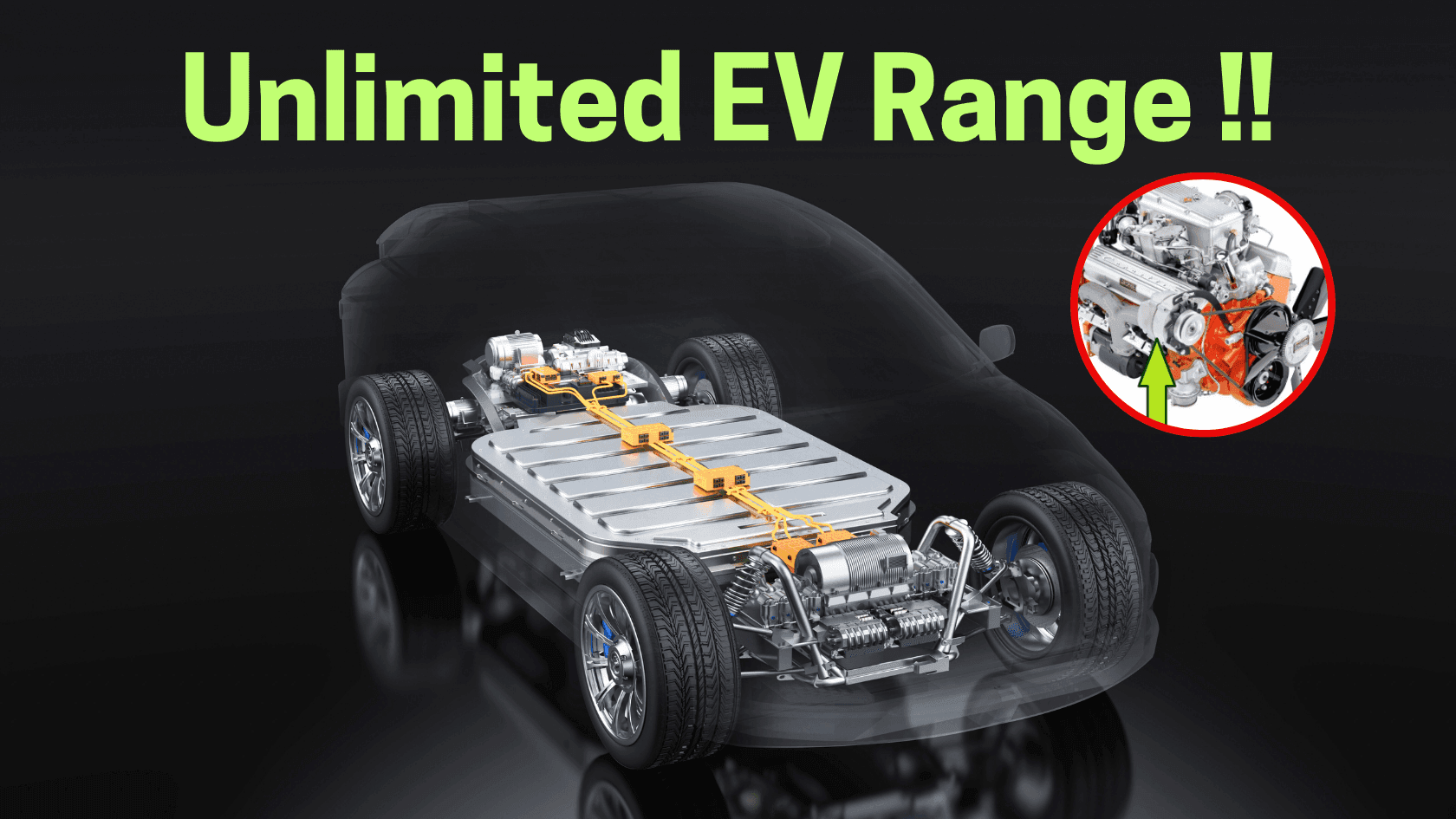
The concept of Unlimited EV Range was recently highlighted by Thane C. Heins (World’s Leading Electromagnetics Expert), Founder of Thane Heins Energy Inc., in collaboration with the University of Ottawa’s Department of Electrical Engineering.
Their patented technology, known as EV Regenerative Acceleration, introduces a completely new way of generating power in electric vehicles.
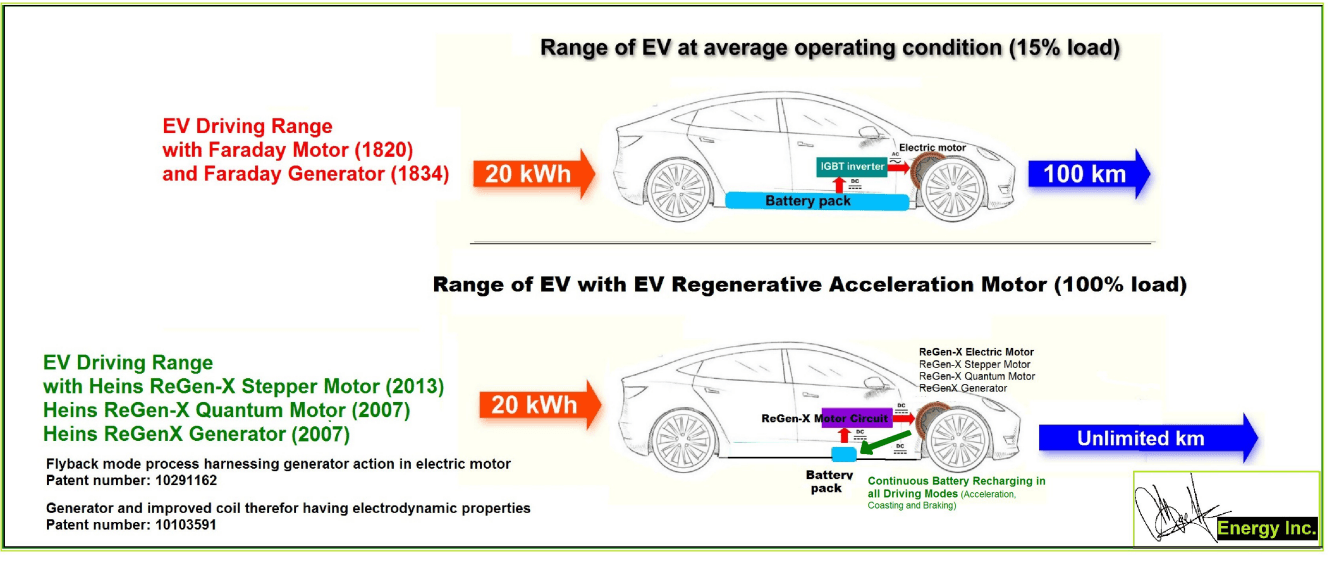
Unlike traditional systems that only recover energy during braking, this approach allows EVs to recharge their batteries while accelerating, potentially eliminating the need for plug-in charging altogether.
What Is EV Regenerative Acceleration?
Electric vehicles today rely on regenerative braking, which captures energy when slowing down.
While useful, it is limited to non-driving states and does not address the core issues of battery cost, range anxiety, or charging infrastructure.
EV Regenerative Acceleration changes this by allowing vehicles to generate electricity while accelerating without creating drag on the motor.
This is achieved through a specialized system called the ReGenX Generator, which enables both propulsion (positive work) and battery charging to occur simultaneously.
EV Regenerative Braking Vs EV Regenerative Acceleration: Main Differences
Enables a potentially unlimited range and removes the need for plug-in charging
How the ReGenX Generator Works
Source: Thane C. Heins, Founder, Thane Heins Energy Inc
At the heart of this breakthrough is a time-delayed electromagnetic field system:
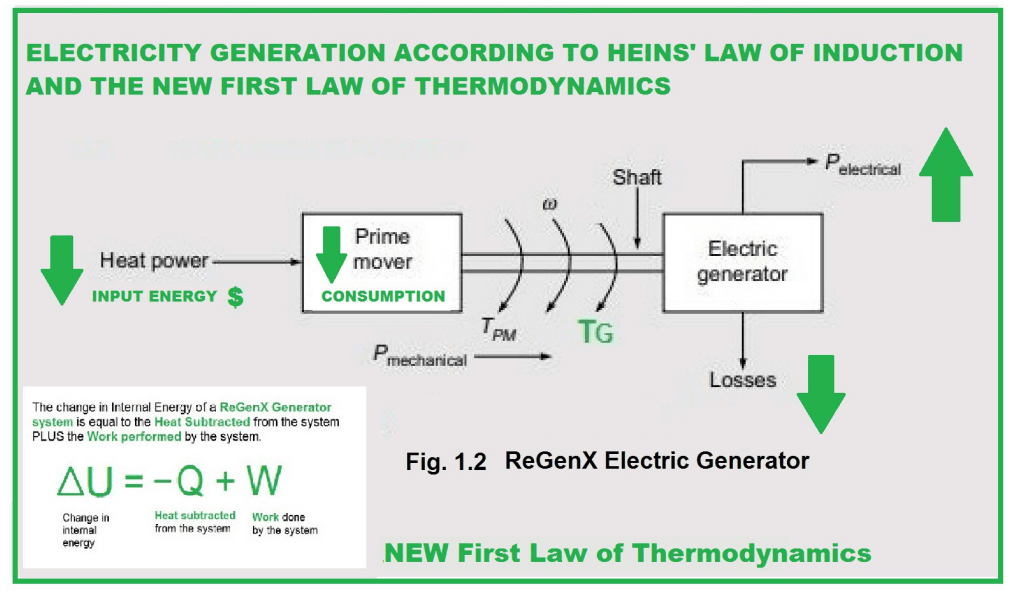
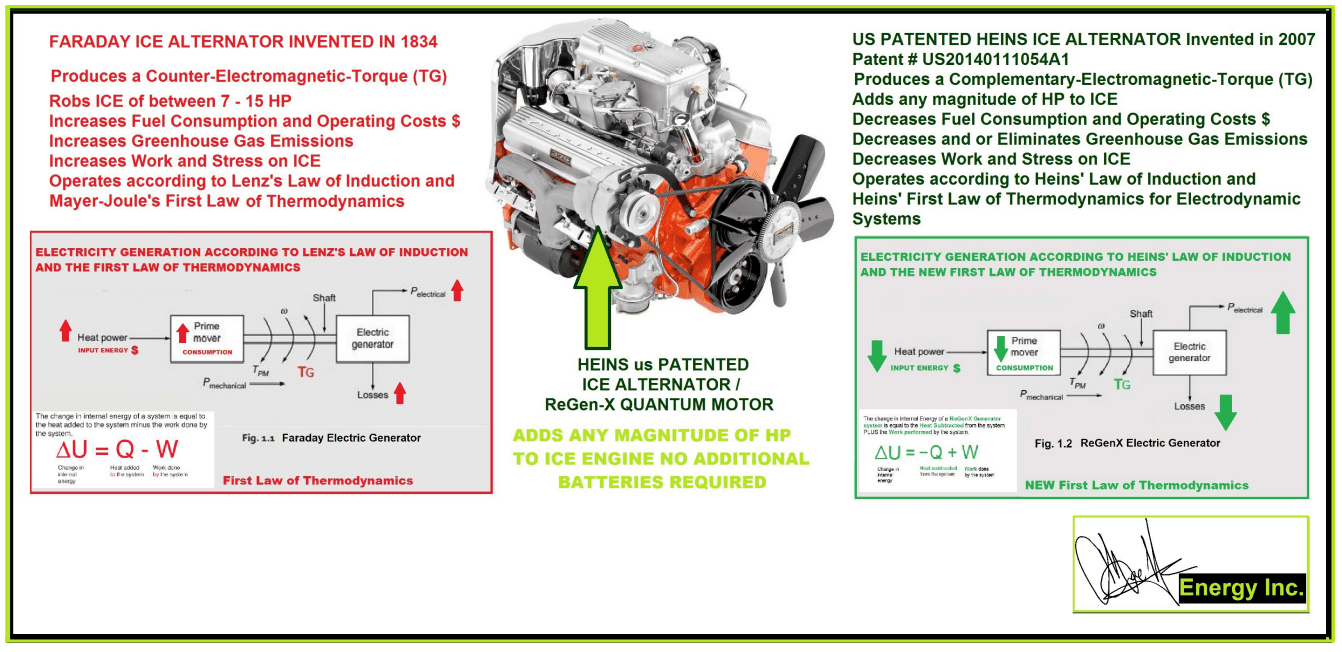
Traditional Generators: Follow Lenz’s Law, creating resistance (negative work) that slows motion while producing electricity.
ReGenX Generator: Reverses this effect, producing complementary electromagnetic torque that assists the motor during acceleration, while still generating electricity.
Zero Mechanical Load: Power is produced without adding resistance to the rotor, which, under specific conditions, results in “infinite efficiency” electricity generation.
Scientific Validation
Laboratory testing has been conducted at MIT and the University of Ottawa, with additional independent international trials confirming the performance.
The system demonstrates that time-delayed electromagnetic energy can be harnessed for positive work, enabling power generation without counter torque.
Benefits for the EV Industry
Unlimited Driving EV Range Vehicles can recharge while accelerating and coasting, removing the need for external charging.
Smaller, Lighter, Cheaper Batteries Battery size can be reduced by up to 80%, cutting costs and making EVs more affordable.
No Charging Infrastructure Required Eliminates dependency on expensive charging stations and reduces grid stress.
Improved Efficiency and Performance Positive torque during generation supports smoother acceleration and improved drivetrain performance.
Environmental Impact
Lower demand for lithium and cobalt mining.
Reduced emissions from battery manufacturing.
Less reliance on power grids for recharging.
Prototype Data – Unlimited EV Range Demonstration
Test Vehicle: EV eBike prototype
Initial Battery Voltage: 74.8V
Final Battery Voltage: 76.7V
Duration: 9.5 minutes at 28 km/h
Distance: 4.33 km
Excess Power Generated: +30.6 Watts
Result: Unlimited Driving Range demonstrated
Study Findings on EV Regenerative Acceleration
1. Coil Performance
Commercially manufactured ReGenX coils have shown the ability to deliver over 60 amps (around 1,000 watts) of recharge current during acceleration.
Recharging can begin from speeds as low as 30 km/h, making it possible to recover energy continuously instead of only during braking.
2. Load Current Delay
Conventional generator coils create counter torque that resists motion and consumes additional input power.
In contrast, ReGenX coils use a time-delayed load current, producing complementary torque that assists the motor while generating power.
This allows acceleration and charging to occur simultaneously.
3. Prototype #1 – Generator Performance
No Load: 3,505 RPM, input 1.53 A, load 0 A
Conventional Coil (on load): 3,486 RPM, input 1.65 A, load 0.88 A
ReGenX Coil (on load): 3,508 RPM, input 1.52 A, load 0.93 A
The data shows that while a conventional coil slowed the system and required more input power, the ReGenX coil maintained speed, reduced input current, and provided charging current.
4. Prototype #2 – Frequency Behaviour
ReGenX generators enter Regenerative Acceleration Mode above a critical frequency of about 3,500 RPM.
In this state, they recharge batteries without slowing the vehicle and with reduced drive torque.
Below approximately 2,200 RPM, the system behaves like conventional regenerative braking, slowing the vehicle while recharging.
5. Prototype #3 – Dual Output Motor
A ReGenX motor prototype demonstrated both propulsion and charging at the same time.
At ~100 RPM: input 0.56 A, output 0.76 A
At ~750 RPM: input 1.34 A, output 1.45 A
This confirms that energy recovery can take place while the motor is actively driving the vehicle.
Commercial Readiness
Patents: Secured in the U.S. and internationally.
Industrial Prototypes: Tested with motor manufacturers and renewable energy partners.
EV Integration: Pilot projects underway with early OEM partners.
Licensing Model: Open for automakers, component suppliers, and microgrid developers.
EV Regenerative Acceleration is not just an incremental upgrade; it represents a fundamental rethinking of how electric vehicles can generate and use energy.
With the ability to charge while accelerating, it offers the possibility of unlimited driving range, smaller batteries, and independence from plug-in charging infrastructure.
If successfully scaled, this innovation could redefine the future of both electric and internal combustion vehicles, making mobility more sustainable and accessible worldwide.
Disclaimer:
All information, technical details, images, and performance data in this article are based on the report EV Regenerative Acceleration 2025 authored by Thane C. Heins, Founder of Thane Heins Energy Inc., in collaboration with the University of Ottawa, as well as LinkedIn posts shared by Thane Heins. Rights to the original data and visuals remain with their respective owners. This article is for informational purposes only and does not represent independent testing or verification.”