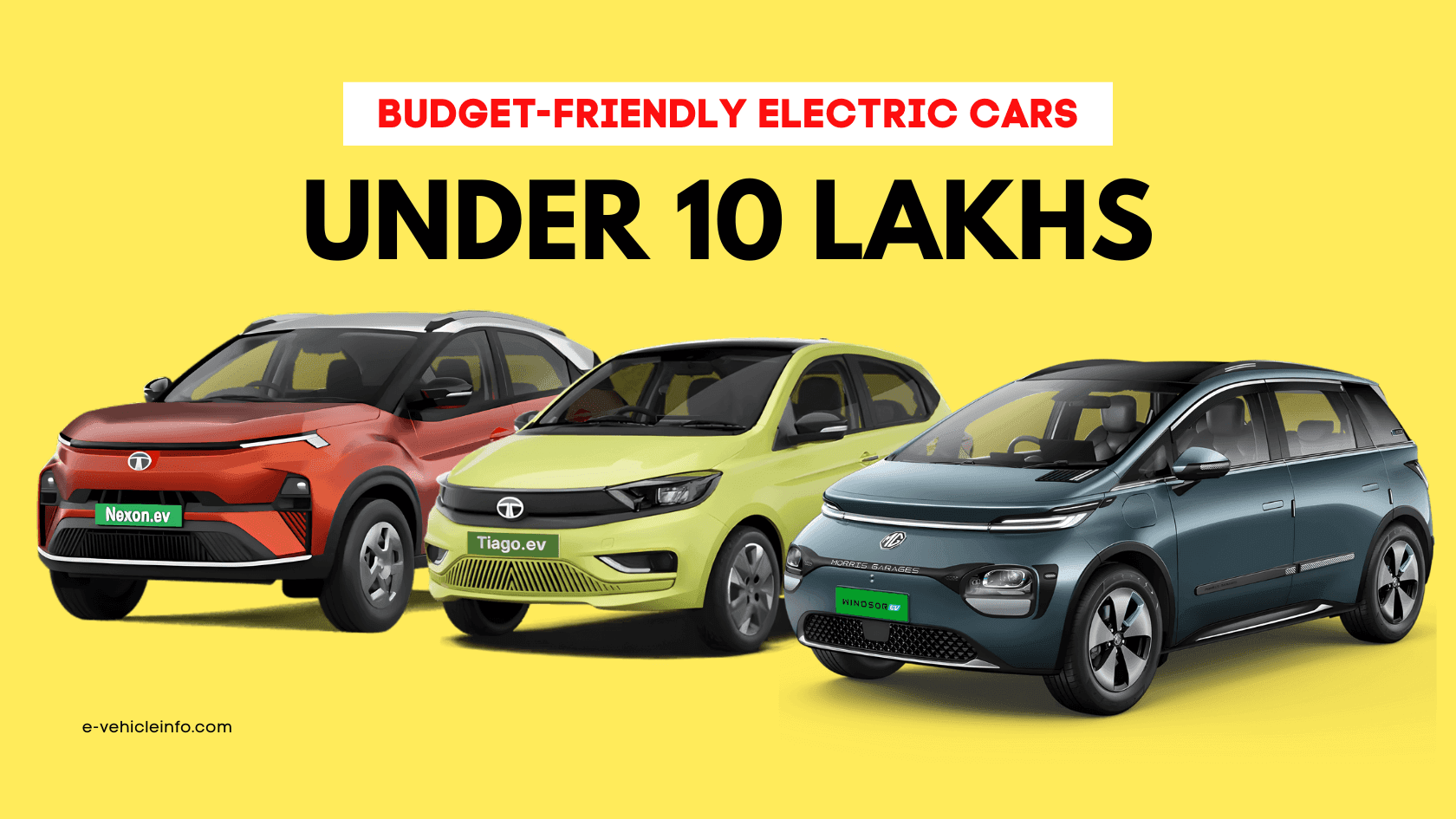
Back in 2022–23, most people in India saw electric cars as something premium, costly, limited in options, and out of reach for regular buyers. But things have changed quickly.
In just a few years, leading brands like Tata, MG, and Hyundai have pushed EVs into the mainstream, offering models that deliver good range, comfort, and low running costs at prices close to petrol or diesel cars.
Today, even with a budget of around ₹5–10 lakh, you can find some excellent electric cars that aren’t just affordable but also among the top-selling EVs in India.
These models stand out for their value, practicality, and growing trust among Indian drivers who are ready to make the transition to electric vehicles.
Top 5 Budget-Friendly Electric Cars in India (2025)
| Model Name |
Claimed Range (Approx.) |
Starting Price (Ex-Showroom) |
| MG Comet EV |
230 km |
₹4.99 lakh |
| Tata Tiago EV (2025 Facelift) |
250–315 km |
₹7.99 lakh |
| Tata Punch EV |
315–400 km |
₹9.99 lakh |
| MG Windsor EV Inspire |
350 km + |
₹9.99 lakh |
| Citroën ëC3 |
300 km |
₹12.90 lakh |
1. MG Comet EV
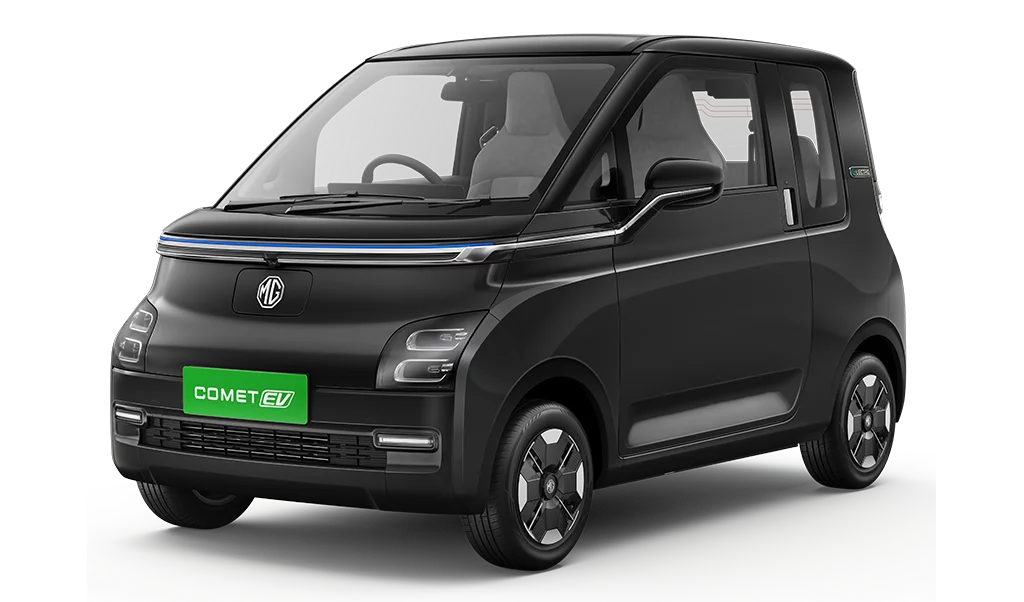 The MG Comet EV is India’s most affordable electric car, priced starting at ₹4.99 lakh.
It’s small, easy to drive, and ideal for crowded city roads. The cabin feels surprisingly modern, with a dual-screen layout and a minimalist interior.
Many Reddit users describe it as “fun to drive and easy to park,” while some note the limited range and the lack of DC fast-charging.
For short city commutes and daily errands, the Comet remains the most budget-friendly way to switch to electric.
Key facts:
-
Starting price around ₹4.99 lakh ex-showroom and goes up to 7.62 lakhs ex-showroom.
-
Sales ~10,149 units in FY2025.
-
Focused on city commuting and budget EV entry buyers.
My take: If your daily driving is mostly city, you’re on a tight budget, and you accept a smaller battery/range, this is the strongest value proposition in the list.
The trade-offs: limited range compared to larger EVs, fewer features perhaps, and you’ll need to check the charging infrastructure locally.
2. Tata Tiago EV (2025 Facelift)
 The facelifted Tiago EV continues to be Tata’s strongest seller in the compact EV space. Prices start near ₹8 lakh and go up to ₹11 lakh, with two battery options that offer a claimed range of up to 300 km.
In real-world use, most owners report around 200 km on the larger battery, which is still adequate for everyday travel.
Drivers on Reddit praise the Tiago EV for its solid build and smooth power delivery.
A few mention that range drops slightly with heavy AC use, but overall it’s seen as a reliable and sensible family EV — one that blends affordability with genuine practicality.
Key facts:
-
Price starts around ₹7.99 lakh ex-showroom.
-
Sales ~17,145 units in FY2025.
-
Established brand (Tata), strong service network.
My take: This is perhaps the best sweet spot for many Indian EV buyers: strong brand, decent pricing, credible usability.
If you pick the right variant (battery size, features) and verify local support, it’s a very solid choice.
3. Tata Punch EV

The Punch EV has quickly gained traction among buyers who want a compact SUV feel without exceeding the ₹15 lakh mark.
It offers a higher driving position, strong safety features, and a larger battery than the Tiago EV.
While Tata claims a range of over 400 km, some owners online say real figures are closer to 250 – 300 km, which is still respectable for city and weekend travel.
People like its sturdy design, smooth pickup, and space, making it one of the most balanced EVs for urban Indian families.
Key facts:
-
Prices start around ₹9.99 lakh for the base versions and go up to ₹ 15 lakh
-
Sales ~17,966 units in FY2025.
-
SUV/crossover style, which many buyers prefer.
My take: A little higher priced than the very entry models, but offers more space and flexibility (SUV form, possibly larger battery).
If you can stretch your budget and need something beyond simple commuting, this is a strong candidate.
4. MG Windsor EV Inspire
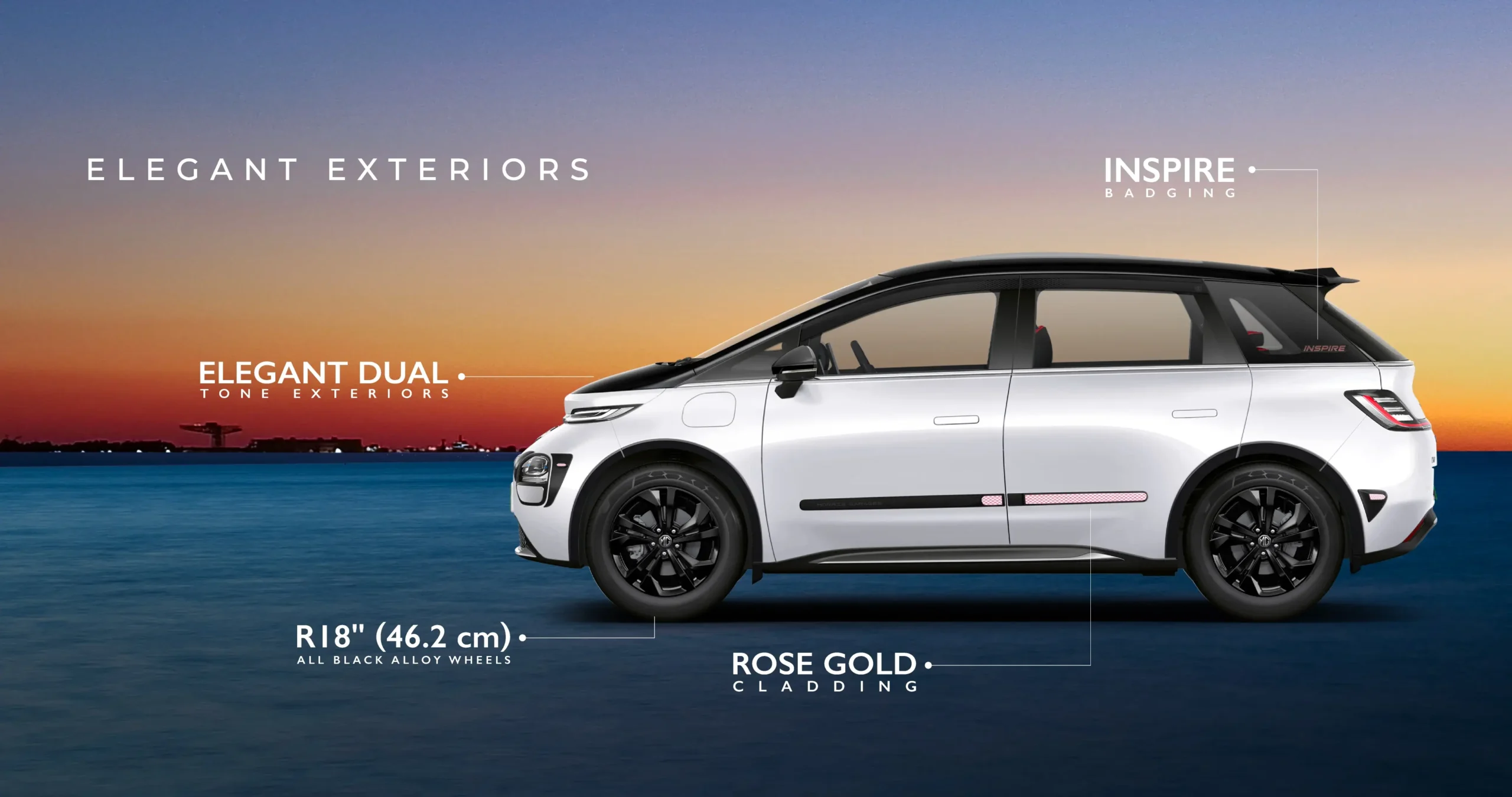
The MG Windsor EV sits at the upper end of the budget segment, offering a balance between performance, range, and price.
It’s one of MG’s most successful electric models to date and has helped the brand strengthen its position in India’s growing EV market.
The car comes in two battery options: a 38 kWh pack with a claimed range of up to 332 km, and a 52.9 kWh pack with a claimed range of up to 449 km.
In real-world use, most owners report around 300–370 km, depending on conditions.
Key facts:
-
Starting price: ₹9.99 lakh (ex-showroom, Battery-as-a-Service model)
-
Standard variants: From around ₹12.65 lakh (ex-showroom) and above
-
Range: 332 – 449 km (claimed)
-
Strong features: Spacious interior, long range, advanced safety tech
My take:
The Windsor EV slightly stretches the “budget” definition in its higher trims, but the value it offers, range, space, and technology, makes it worth shortlisting.
If you’re looking for an EV that feels like a full-size family car without crossing into premium pricing, this is one of the most practical options available today.
The MG Windsor EV has emerged as a major success, recording over 44,000 units sold in its first year (Oct 2024–Sep 2025) and contributing heavily to JSW MG Motor’s 1 lakh EV sales milestone in India.
It now accounts for nearly 60% of the brand’s total EV volume, solidifying its position as one of the country’s best-selling electric cars.
5. Citroën eC3
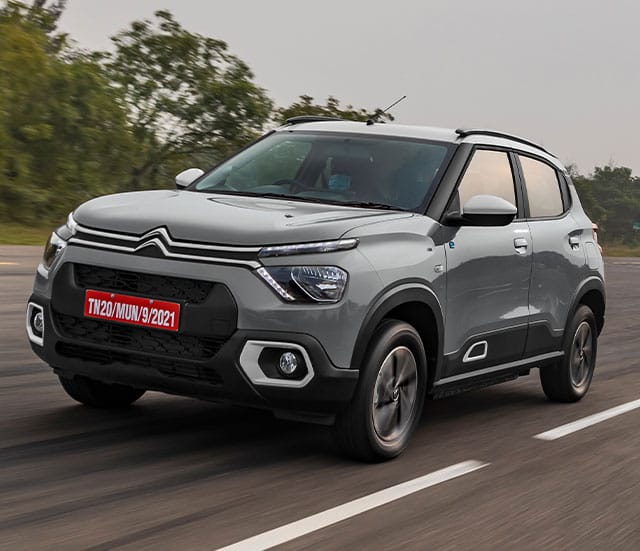
The Citroën eC3 brings a hint of European flair to the budget-EV category.
Priced around ₹13 lakh, it offers around 300 km of claimed range and a very comfortable suspension setup — something owners regularly appreciate on forums.
A few Reddit users mention that the eC3 feels “premium inside” but wish the charging time were faster.
It’s best suited for those who want a comfortable daily driver with a unique design and aren’t too worried about rapid-charging availability.
It also feels more spacious and refined than most other EVs in this bracket.
Key facts:
My take: This model provides a step up in features and battery/range compared to the ultra-budget models.
If your budget allows and you want more flexibility (occasional longer drives, better comfort), this is a worthwhile step up.
One caution: check how robust the service/support network is in your region.
What to Consider Before Buying an EV?
-
Real-world range: Expect around 70–80% of the claimed figure in Indian traffic, heat, and with AC use.
-
Charging options: Having a home charging point makes daily use stress-free. Public fast chargers are expanding, but still inconsistent outside metros.
-
After-sales support: Tata and MG have wider service coverage; Citroën’s network is smaller but improving.
-
Usage style: For short city runs, the Comet EV or Tiago EV works best. For longer commutes or occasional trips, go for Punch EV or Windsor EV.
-
Battery warranty: Most brands now offer 8 years / 1.6 lakh km, but check specifics before booking.
My Take
If your goal is to enter the EV space at the lowest cost, the MG Comet EV is unbeatable. For a more balanced, practical choice with stronger performance, the Tata Tiago EV stands out as the ideal middle ground.
Buyers looking for more flexibility and SUV styling should lean toward the Punch EV or MG Windsor EV, while those wanting comfort and unique styling can go for the Citroën eC3.
India’s budget-EV market has matured fast, and 2025 looks like the year when electric mobility truly becomes mainstream.
Choose the model that fits your lifestyle & pocket, and you’ll not only save on fuel but also experience the quiet, clean future of driving.
FAQs
1. Which is the most affordable electric car in India in 2025?
The MG Comet EV is currently the most affordable electric car in India, with prices starting around ₹4.99 lakh (ex-showroom). It’s designed for city use, offering a compact size and low running cost, ideal for first-time EV buyers.
2. Which electric car gives the best range under ₹15 lakh?
The Tata Punch EV and MG Windsor EV offer the best real-world range in the under-₹15 lakh category, delivering between 300 to 400 km on a full charge, depending on the variant and driving conditions.
3. Which is better — Tata Tiago EV or MG Comet EV?
Both cater to different needs. The Tata Tiago EV offers more range and a larger cabin, making it better for families, while the MG Comet EV is perfect for city driving due to its compact size and lower cost.
4. What are the running costs of budget electric cars in India?
Most budget EVs cost around ₹1 to ₹1.5 per km to run, compared to ₹7–₹9 per km for petrol cars. The actual cost depends on your local electricity rate and charging habits.
5. Are electric cars under ₹10 lakh worth buying in 2025?
Yes. With improving charging infrastructure and lower maintenance costs, EVs like the MG Comet EV and Tata Tiago EV are now practical for daily city use. They offer significant savings on fuel and a smoother, quieter drive.
Disclaimer: All data and specifications mentioned in this article have been carefully verified by our editorial team. Pricing details are sourced from official manufacturer websites and reputable automotive portals. However, we recommend visiting the official brand website or the nearest dealership for the most up-to-date information before making any purchase decision.