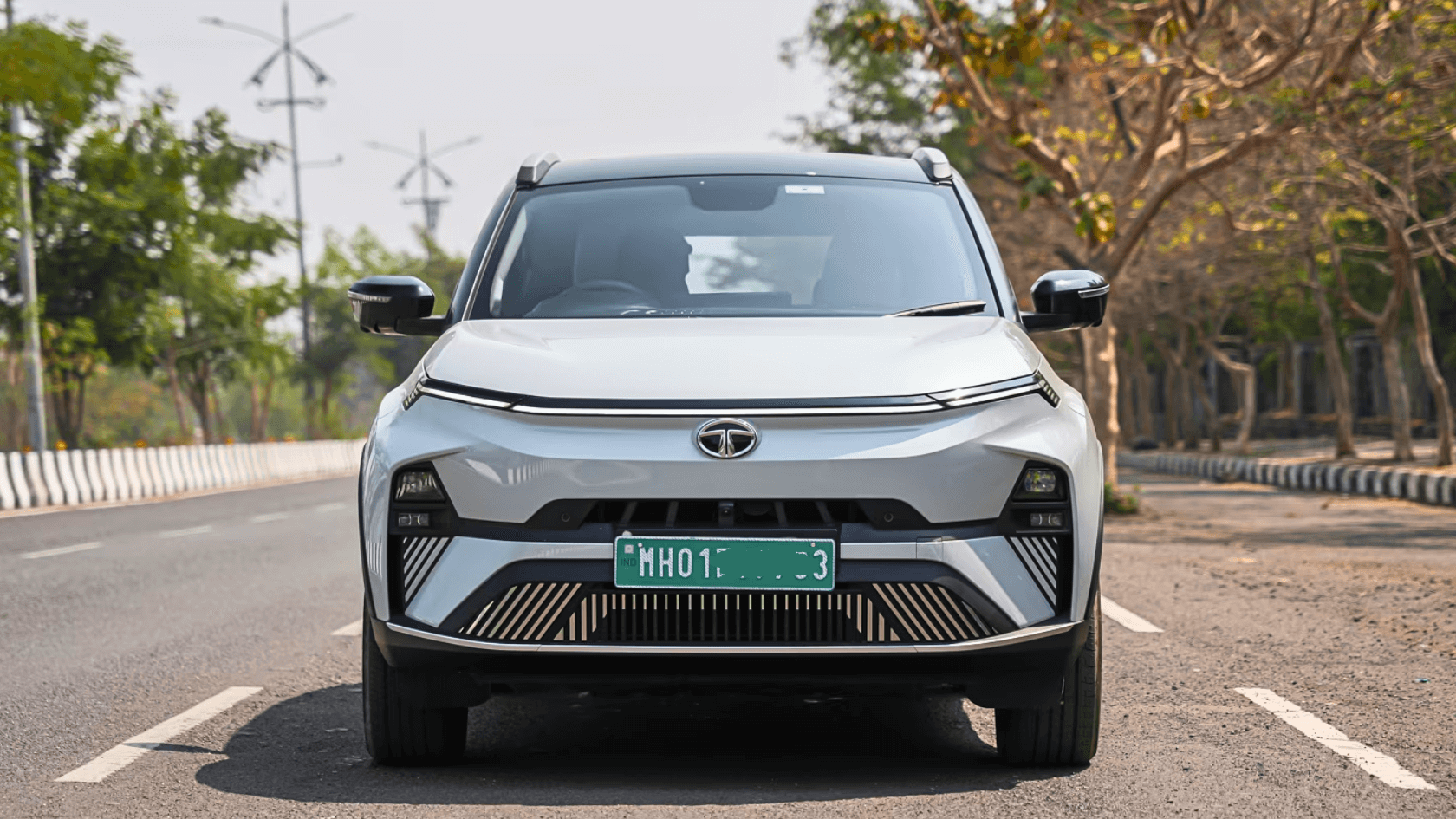
The Tata Nexon EV remains one of India’s top-selling electric cars and a key model in Tata Motors’ growing EV lineup.
As of October, Tata Motors continues to lead India’s EV market, backed by its strong legacy, wide dealership network, and the trust it commands among buyers.
Recently, a Reddit user shared his real-life ownership story after driving his Tata Nexon EV 45 for 5,100 km in just two months.
His detailed account covers running costs, performance, charging convenience, and Tata’s service experience, offering valuable insights for anyone considering an EV in India.
Real-World Experience, 5,100 km in Two Months
A Reddit user on r/CarsIndia shared his real ownership experience after completing 5,100 km in just two months with the Nexon EV 45.
He discussed the car’s performance, savings, and a few unexpected moments during his journey.
After switching from a diesel Ford Figo, the owner drove his Nexon EV across city roads, highways, and ghat sections.
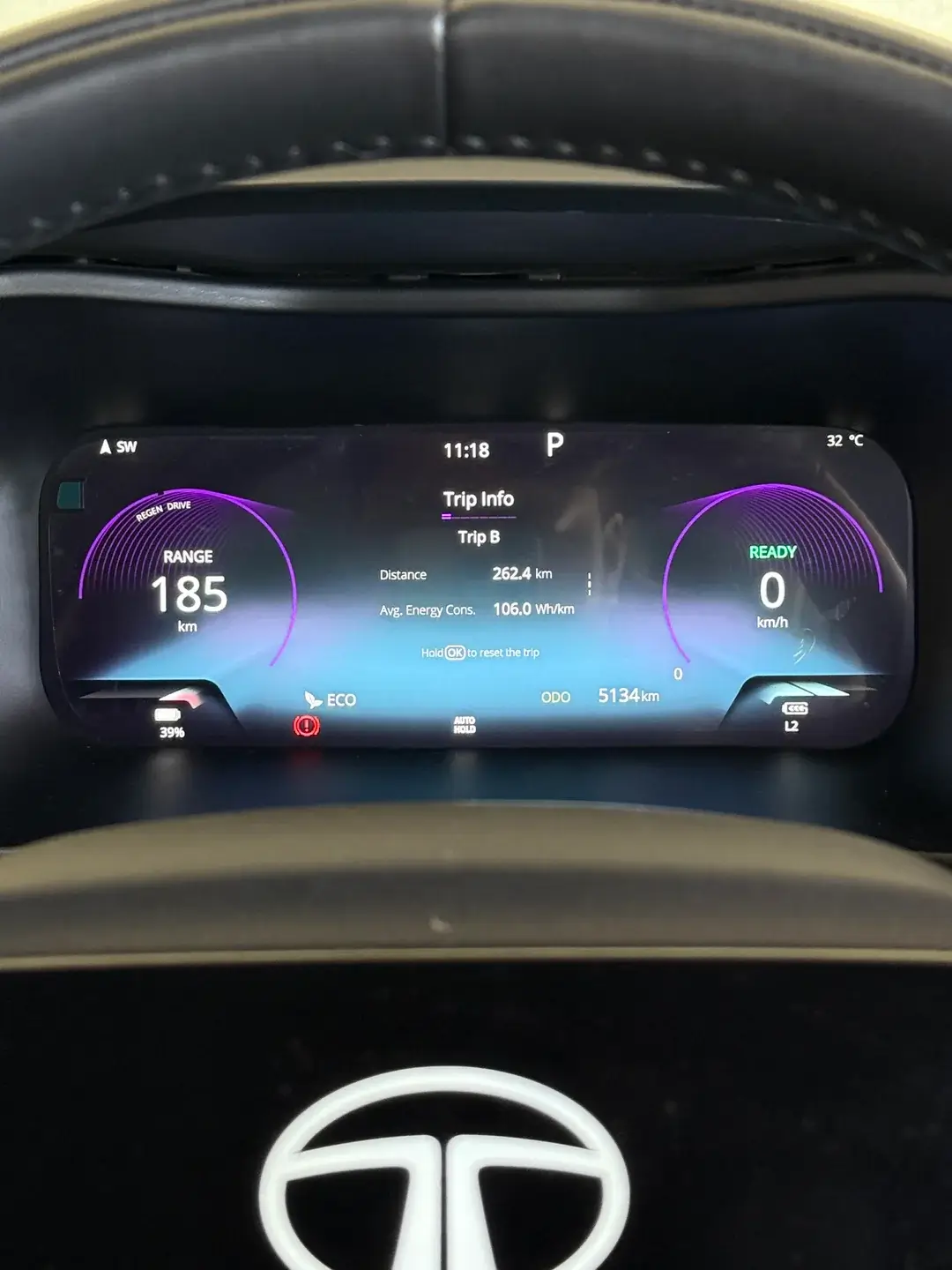
He said, “I’m spending around ₹1–1.2 per km on charging; earlier I used to spend ₹7–8k monthly on diesel.”
He reported getting 400–450 km per charge, which is close to a real-world range of 390–400 km when using Eco or City mode.
He liked the instant torque, smooth acceleration, and strong suspension setup, which handled rough Indian roads easily. He also praised the Auto Hold feature for making city traffic less tiring.
Charging and Infrastructure
The owner said he mostly charges at home but also uses Tata Power public chargers on long drives. Charging networks are improving, and routes like Konkan and Mumbai were easy to manage with planned stops.
However, he found the Tata Power app not very smooth, sometimes needing multiple tries to start charging sessions.
He managed DC fast charging up to 60 kW, which charged the car from 10 to 80 per cent in under an hour.
The “HV Critical Alert” Incident
In the first month, he faced a High Voltage Critical Alert message, which scared him at first. A simple restart fixed it, and the issue didn’t come back.
Other Tata EV owners on Reddit said this is a software glitch, not a major battery fault, but agreed that Tata needs to explain these warnings better to customers.
Clear information helps build confidence in EV ownership.
Honest Ownership Experience
While the car’s performance impressed him, he was not happy with Tata’s service quality. He shared that his pre-delivery experience was poor — the showroom was hot, the AC was off, and he was even served tea with a cockroach in it.
He said, “As long as the car is fine, Tata is good, but once you face an issue, only God can help you.”
This shows that Tata’s EVs are strong products, but the sales and service experience still needs major improvement.
Tata Nexon EV 45, Quick Facts
- Price Range: ₹14.49 to ₹17.99 lakh (ex-showroom)
- Battery: 45 kWh lithium-ion
- Power / Torque: 142 PS / 215 Nm
- Claimed Range: 465 km
- Real-World Range: Around 350–400 km
- Charging (DC fast): 10–80 per cent in about 56 minutes
- Charging (AC 7.2 kW): Around 7.5 hours for r full charge
- Type: Compact SUV, 5 seater
Running Cost and Savings
| Parameter |
Tata Nexon EV 45 |
Petrol SUV Equivalent |
| Running Cost (per km) |
₹1.2 |
₹7.5 |
| Yearly Running (12,000 km) |
₹14,400 |
₹90,000 |
| Annual Savings |
– |
₹75,000+ |
Even after including the charging setup and slightly higher insurance, most users can recover the extra EV cost within 3 years due to low running expenses.
What EV Owners Are Saying on Reddit
Likes
- Very low running cost and easy home charging
- Strong torque and fast acceleration
- Suspension handles Indian roads well
- Fast DC charging speed
Dislikes
- Confusing HV Critical error messages
- Poor service response from Tata
- Tata Power’s charging app needs improvement
Many users said the car is “fun to drive and efficient,” though they warned that Tata’s service is not very consistent yet.
Market Context
The Nexon EV is still the top-selling electric SUV in India, with over 3,000–4,000 units sold every month. It holds around 20 per cent of India’s personal EV market, proving that EVs are no longer just for luxury buyers.
Who Should Buy the Nexon EV 45
- Great for city driving and short weekend trips up to 400 km
- Ideal if you can charge at home or at work
- Good option if you want SUV comfort with low running costs
- Not suitable if you often do unplanned long highway drives or lack charging access nearby
My Take
This 5,100 km real-life story shows why the Tata Nexon EV 45 remains a top choice for EV buyers in India. It delivers what most users want a strong range, smooth driving, and low running costs.
The main issues mainly stem from Tata’s service and unclear error alerts, rather than the car itself.
The Nexon EV costs start from 12.49 lakhs (introductory ex-showroom as per official website), but at around ₹15 lakh on-road, it’s still the best-value electric SUV for Indian roads.
If Tata improves its service and customer support, the Nexon EV could easily become the perfect all-rounder for mass EV adoption in India.