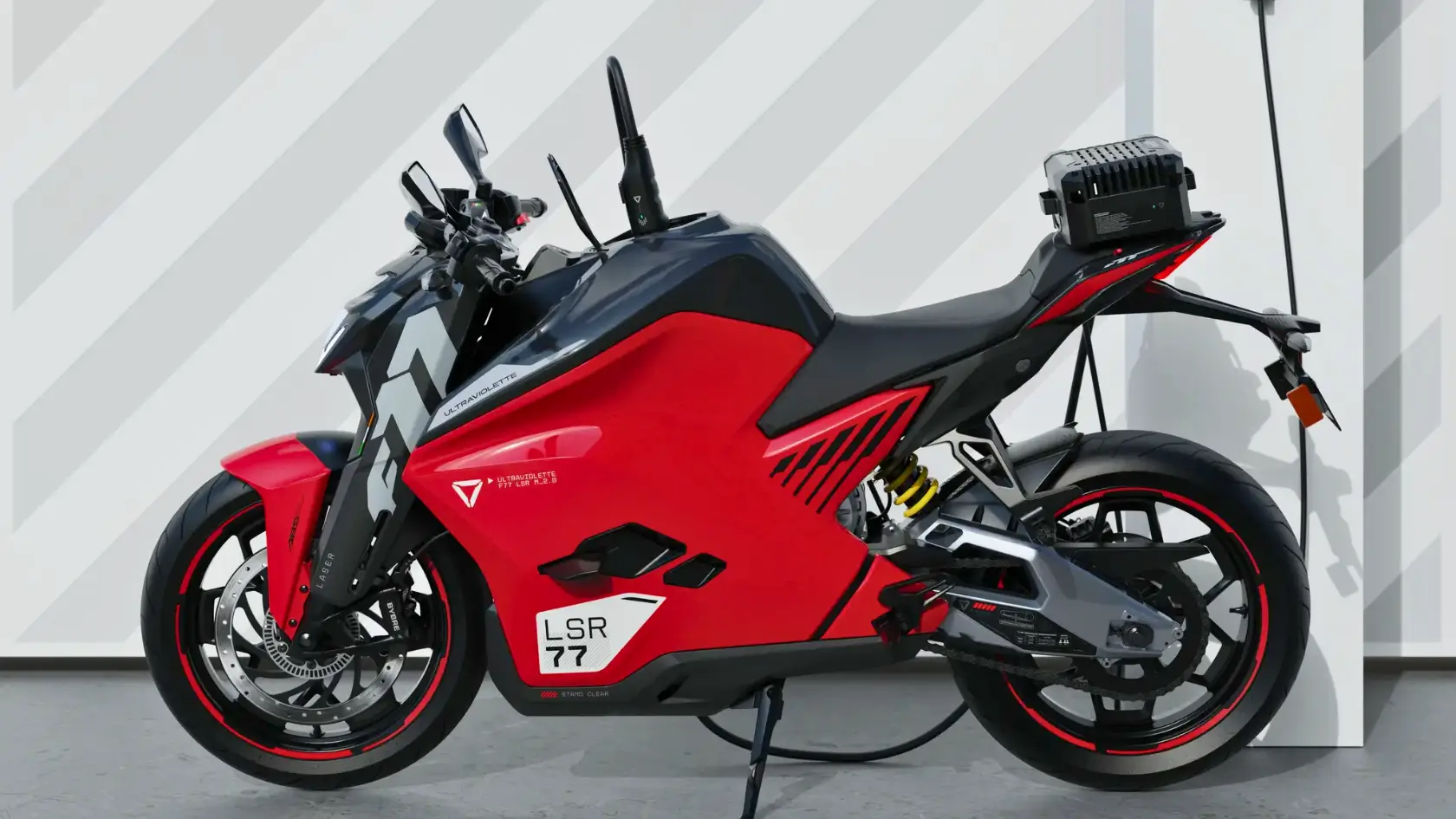
The battery of your electric bike is the primary factor that determines its performance and reliability.
Knowing how to extend the lifespan of your electric bike battery will not only help you extend your bike’s lifespan but also save you money in the long run.
Whether you’re commuting daily or heading out for adventures, a few simple habits help keep your e-bike running efficiently and minimise the need for costly replacements.
Keep reading to understand how to make the most of your electric bike battery for years to come.
Tips to Extend the Life of Your Electric Bike Battery
The battery is the crucial element of an e-bike, as it stores the energy required to power it. To extend the battery life of the electric bike, consider the following tips:
Charge Smartly
For the battery to perform optimally, keep it charged between 20% and 80%. Frequent small discharges are better than deep discharges.
Always use the manufacturer’s original charger, as a third-party charger may put pressure on the cells or pose safety risks.
When the charging is done, disconnect and do not use fast charging except under rare circumstances to prevent heat build-up and cell stress.
Maintain Optimal Riding and Storage Conditions
Temperature plays a crucial role in your e-bike battery’s health.
Avoid exposing it to extreme heat, cold, or direct sunlight for long periods.
Store and charge the battery in a cool, dry place, and if you won’t be using it for a long time, keep it at around 50% charge to preserve cell efficiency and lifespan.
Apart from that, ride smoothly and maintain moderate speeds to prevent unnecessary battery drain.
Gentle acceleration and steady riding enhance efficiency while contributing to a longer overall battery lifespan.
Clean the connectors and battery regularly to prevent dust, moisture, or corrosion that can cut the power supply.
Inspect wiring, charging terminals, and ports for looseness or wear.
Regular checks every few weeks keep your e-bike battery in good health and prevent minor problems from snowballing into expensive repairs. Engage professional services periodically for an in-depth battery diagnosis.
Avoid Overloading
Carrying too much weight or frequently riding on rough terrain can strain the motor and battery, shortening their lifespan.
Always follow the recommended load capacity specified in your e-bike’s user manual.
Sudden acceleration, constant braking, or rough uphill climbing can drain the battery faster.
Stable rides contribute significantly towards extended e-bike battery life in addition to maximising comfort and handling.
Protect Your Battery with Electric Bike Insurance
Even with proper care, e-bike batteries remain vulnerable to external risks such as accidental damage or malfunction.
As the battery is one of the most expensive components of an e-bike, repair or replacement can be costly.
Thus, having a suitable EV bike insurance policy ensures you are financially protected from these unexpected expenses.
A comprehensive e-bike insurance plan safeguards your finances by covering these risks, as well as fire, natural disasters, and third-party liability.
Keeping your policy up to date ensures continuous coverage and long-term protection for both your bike and its battery.
Keep Software and Firmware Updated
Several contemporary e-bikes feature smart battery management systems.
Regular updates to your bike’s software and firmware provide precise performance tracking, optimised charging, and enhanced efficiency.
Updates from manufacturers also improve safety and extend the lifespan of electric bikes’ batteries by optimising power output and heat management.
Check the manufacturer’s app or service centre regularly for updates.
Use Regenerative Braking Wisely
If your e-bike has regenerative braking, employ it thoughtfully. It assists in regenerating kinetic energy from stored battery power, improving efficiency and range.
Overusing regenerative braking in heavy traffic can generate excess heat, potentially reducing battery lifespan.
Use it wisely, especially on long or downhill rides, to conserve energy and maintain better battery health.
Schedule Professional Servicing
Even with careful handling, e-bike batteries naturally age over time. To keep your e-bike performing at its best, have it inspected by a trained professional at least once a year. Experts can assess cell balance, detect voltage issues early, and fine-tune the battery for optimal output.
Regular servicing also maintains efficiency and extends battery life, supporting insurance claims.
In fact, proper maintenance records can positively affect IDV in bike insurance, helping ensure better coverage and financial protection if you ever need to repair or replace your e-bike battery.
Common Mistakes to Avoid for Maintaining E-Bike Battery Health
Many e-bikers develop habits that can negatively impact the efficiency and performance of their e-bike battery. Below are some common mistakes to avoid to extend battery life:
Overcharging the Battery: Regularly leaving your e-bike plugged in overnight or charging it beyond 100% can alter the battery’s temperature, gradually diminishing its performance and efficiency.
Allowing the Battery to Deplete: Dropping the battery to 0% places additional stress on it. This can accelerate wear over time, resulting in diminished capacity.
Charging Immediately After a Ride: Plugging in your battery right after a ride, regardless of its duration, especially on a warm day, can cause the battery to heat up significantly, potentially leading to damage.
Excessive Fast Charging: While fast charging is convenient when you are in a hurry, overusing it can generate heat within the battery. This can affect its internal components, leading to ageing and reducing its lifespan.
Using an Incompatible Charger: Using a charger that does not conform to the manufacturer’s specifications or differs from the original can cause voltage fluctuations, potentially harming the battery cells.
Neglecting Battery Cleaning and Maintenance: Accumulated dust, moisture, and dirt on the terminals can lead to poor connectivity with the bike, resulting in subpar performance.
High-Speed Riding: Riding at high speeds or using full-throttle mode drains the battery rapidly and generates additional heat, which can shorten its lifespan. A smoother ride is always recommended to help preserve battery life.
By combining timely charging routines, proper storage, and effective riding techniques, you can help improve your e-bike battery’s lifespan and performance.
Periodic upkeep, careful use, and cautionary measures will ensure your rides are smooth, secure, and financially protective.
With these practical tips, you now know how to increase e-bike battery life.
By applying them consistently, you can enjoy a more reliable, longer-lasting ride while contributing to a cleaner, more sustainable environment.