Ola Electric built its brand on speed — fast launches, fast deliveries, and aggressive expansion. But for many customers on the ground, the experience after delivery has been far slower.t
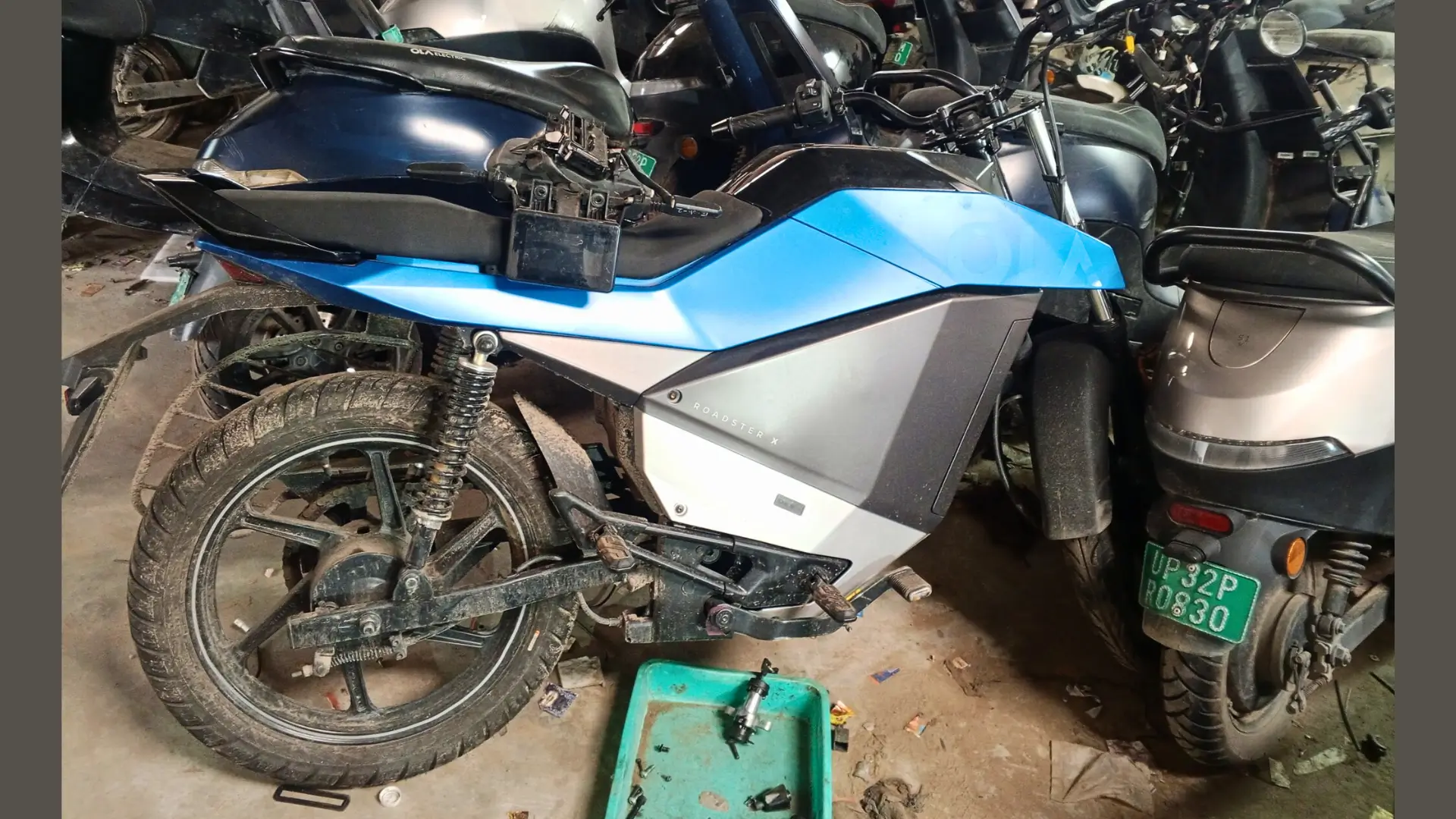
The above image shared by a vehicle owner on Reddit shows an Ola electric motorcycle waiting for service alongside multiple Ola scooters at a service facility, highlighting a growing concern: service delays may no longer be limited to scooters, with electric motorcycles now entering the same queue.
For buyers, this raises a simple but important question: Has Ola’s service capacity kept pace with its product expansion?
Ola Electric Scooter Service Delays: A Well-Known Problem
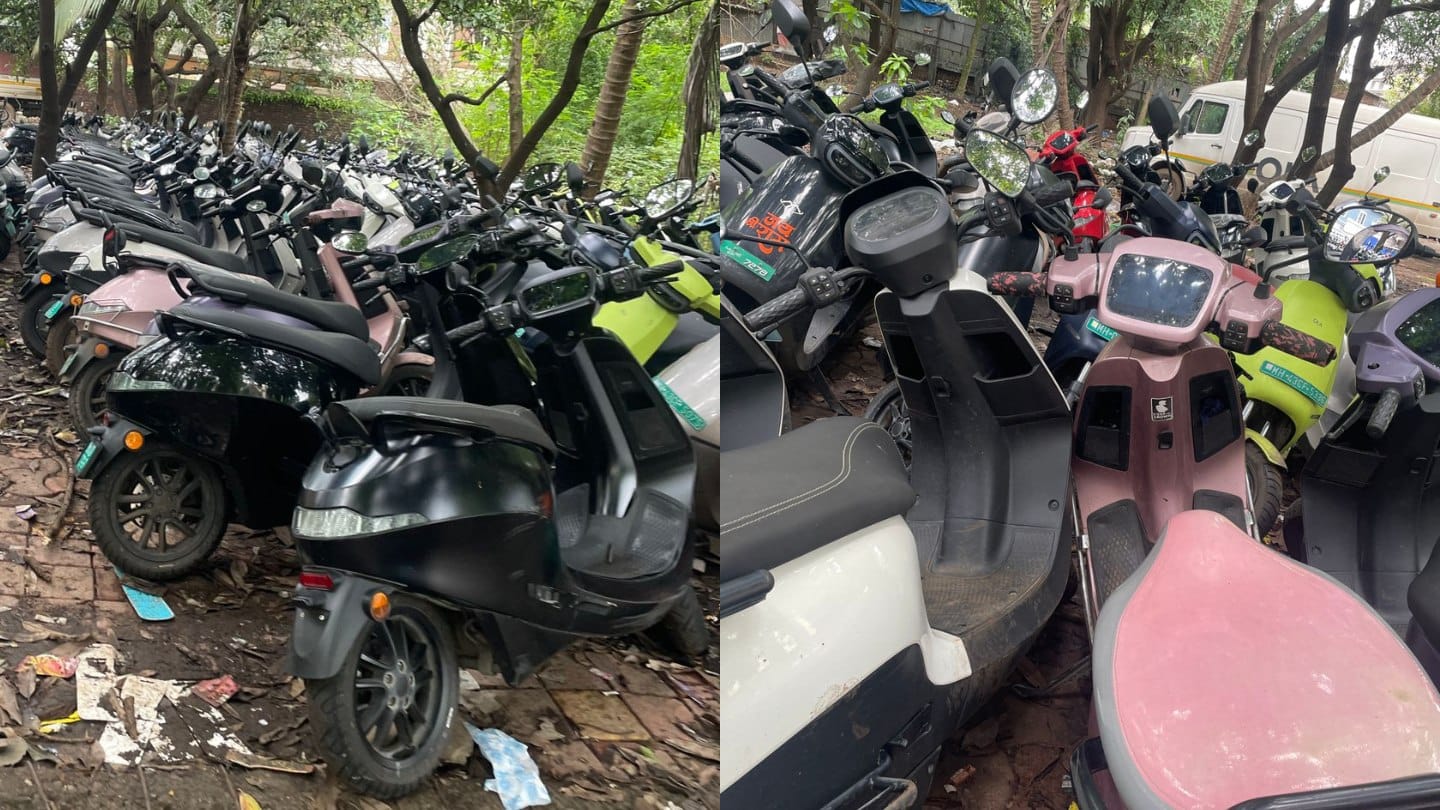
Over the past year, Ola Electric scooter owners across cities have repeatedly reported:
-
Long wait times for service appointments
-
Vehicles parked at service hubs for weeks
-
Delays in spare parts and approvals
-
Limited physical service centres compared to vehicle volume
While Ola introduced remote diagnostics and app-based support, many issues still require physical intervention, where capacity constraints become visible.
For daily commuters, even small delays turn into real costs — missed workdays, alternate transport expenses, and uncertainty.
Now Electric Motorcycles Are Joining the Same Service Queue
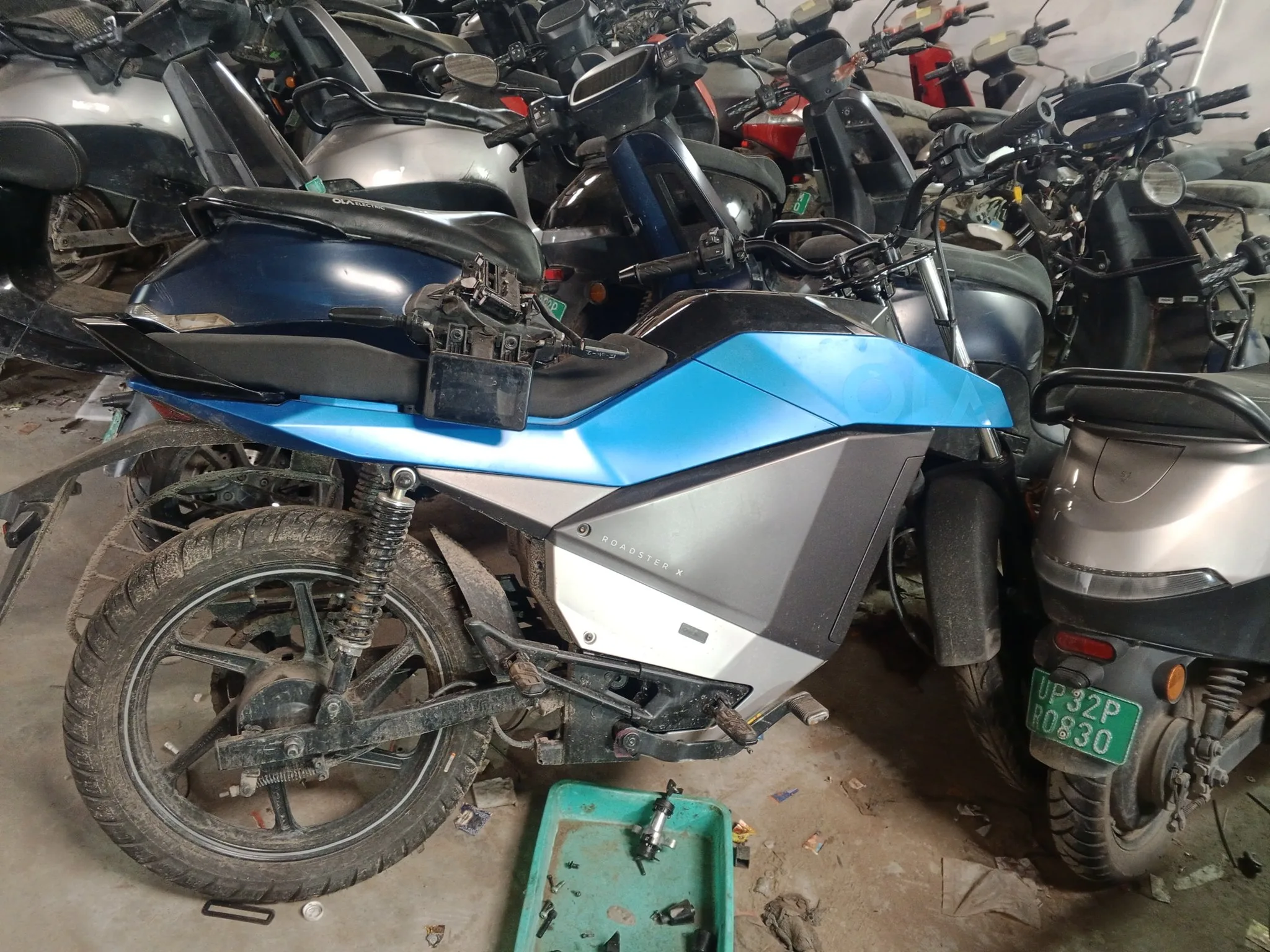
Ola’s entry into the electric motorcycle segment came with expectations of improved execution and lessons learned from scooter operations.
However, sightings of electric motorcycles waiting alongside scooters at service yards suggest that service infrastructure may still be under strain.
This matters because electric motorcycles are:
If motorcycles face the same service bottlenecks, the impact on customer confidence could be stronger than what scooter owners experienced.
Why After-Sales Service Is Critical in EVs
EV ownership is not just about buying a vehicle. It depends heavily on:
Unlike ICE vehicles, most EV issues cannot be fixed by local garages. That makes OEM-led service readiness non-negotiable. When service capacity lags behind sales, backlogs form quickly.
Ola Electric’s Broader Downturn: Business and Market Pressure
Service concerns are emerging alongside wider challenges for Ola Electric:
-
Slowing scooter sales amid intense competition
-
Rising scrutiny over execution and customer experience
-
Weak investor sentiment toward pure-play EV companies
Ola Electric’s stock has seen a sharp decline from earlier highs, reflecting concerns around profitability, scale, and operational discipline. The stock price of Ola Electric Mobility Ltd. has fallen by approximately 80% from its post-listing peak of ₹157 per share.
The stock is also down more than 50% from its initial public offering (IPO) price of ₹76 per share
Adding to this, CEO Bhavish Aggarwal has sold a portion of his personal shareholding (Bhavish Aggarwal sells Rs 142 Cr Ola Electric shares for second straight session Source), publicly stating that it is for repaying promoter loans and releasing pledged shares.
While positioned as a personal financial move, such sales often attract attention during periods of market weakness and can add to investor unease.
What This Means for Indian EV Buyers
For Indian EV buyers today, the decision is no longer just about:
It is equally about:
When a customer’s vehicle remains parked at a service centre for weeks, it reflects a clear neglect of customer trust.
For many buyers, an EV is purchased by stretching budgets or taking loans, and keeping that vehicle unusable directly breaks the customer financially.
This is not acceptable from any company, regardless of brand size or market position.
Reddit User Alleges Pressure After Sharing Service Issues
An Ola Electric owner recently posted on the r/olaelectric subreddit, stating that his earlier Reddit account was taken down after he shared videos and photos related to his on-ground experience with the company.
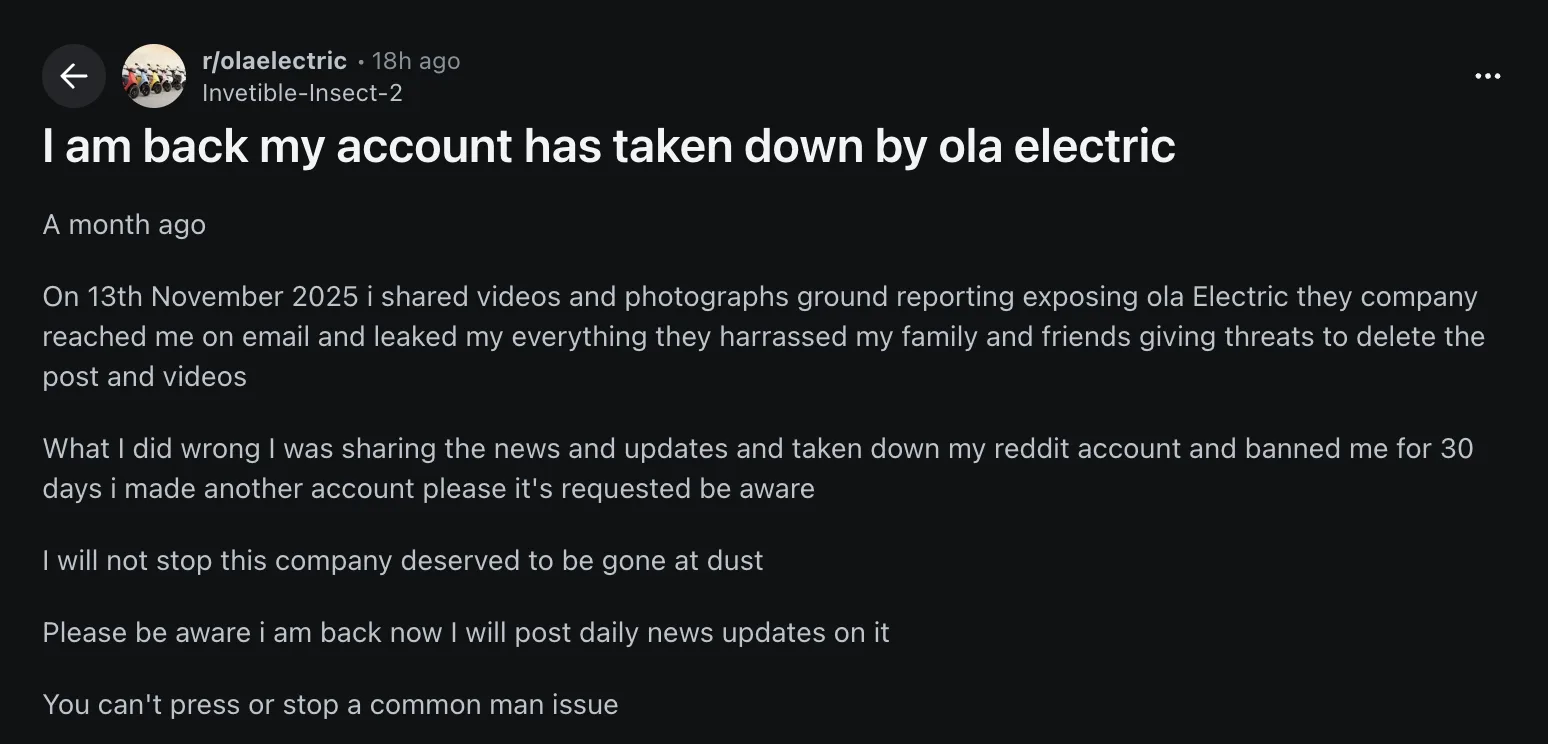
The user claimed that after posting the content in November 2025, he received emails from Ola Electric and alleged that he was pressured to delete the posts, with his account later being banned for 30 days.
He has since created a new account and says he will continue sharing updates, urging other users to be cautious and aware.
Final Thoughts
Ola Electric has played a significant role in accelerating EV adoption in India, and that contribution cannot be ignored.
However, as the company expands from scooters to electric motorcycles, after-sales service, not launches, specifications, or marketing narratives, is becoming the real test.
At this stage, Ola needs to shift its focus away from gimmicks and aggressive marketing and concentrate fully on customer experience and service readiness.
Trust is not built through announcements; it is built when customers receive timely service and reliable support after spending their hard-earned money.
No company can afford to play with customer trust or financial commitments.
If service infrastructure does not scale faster than sales, trust will erode, brand value will suffer, and recovery becomes far harder.
For Ola and for India’s EV ecosystem as a whole, execution after delivery must now take priority over ambition before it.